categories
new products
strontium aluminate phosphorescent powder

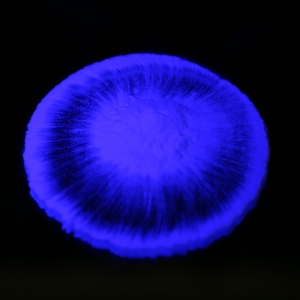
Purple strontium aluminate phosphorescent glow powder pigment supplier

iSuoChem® purple phosphorescent pigment which is a kind of energy storage powder, is certificated by SGS, ISO17514, DIN67510 Part 1-4.

Read More
Green luminescent powder for painting

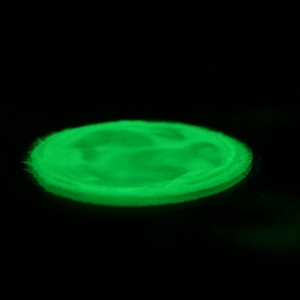
Fluorescent Green coloring luminescent pigment manufacturer

Energy storage powder, iSuoChem® Luminous Pigment glows in the dark after absorbing different visible light and can reuse repeatedly. Certificates of SGS, ISO17514, DIN67510 Part 1-4 are available.

Read More
fluorescent photoluminescent pigment

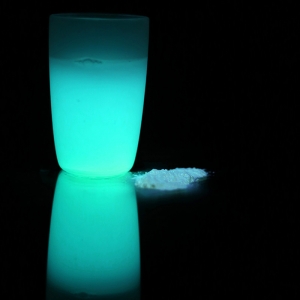
Photoluminescent blue-green ceramic glow in the dark pigment

iSuoChem® Fluorescent photoluminescent pigment glows blue-green color in the dark after absorbing different visible light and can reuse repeatedly.

Read More
strontium aluminate glow powder for plastic

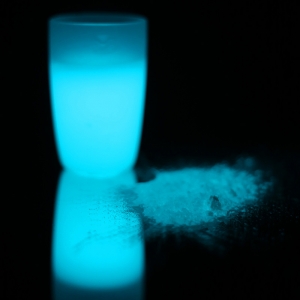
Wholesale Blue-green strontium aluminate glow in the dark powder

iSuoChem® glow in the dark powder glows blue-green light in the dark after absorbing different visible light and can reuse repeatedly.

Read More
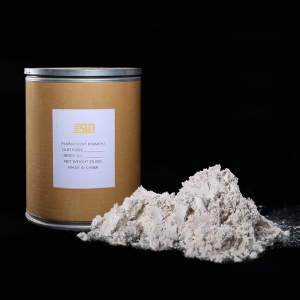
silver white mica powder for ink print

Fine rutile sterling mica base silver white pearl pigment manufacturer

REACH registration, SGS, ISO certification, low heavy metal content, 95%min color consistence, Malvern Particle size test, X-RITE color and brightness test, QUV test, to ensure good quality of pearlescent pigment.

Read More
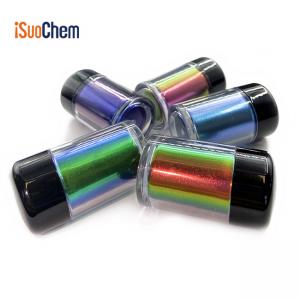
Multichrome Pigment

iSuoChem Refractive Metal Color Shifting Multichrome Pigment

iSuoChem® Multichrome Pigments are a special type of pigment that have the property of changing color as light changes.

Read More
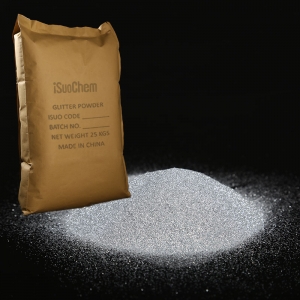
Silver Sparkling glitter powder

Hexagon Sparkling silver bulk glitter powder

iSuoChem® YS1001 Silver Sparkling glitter powder conforms to SGS, REACH, OEKO-TEXT Standard 100, free formaldehyde, free bisphenol A, solvent resistant, high temperature resistant, fashion colors, Various glitter powder for your choice.

Read More
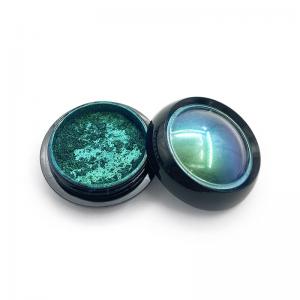
Optical Changeable lnk Pigment

Purple/kingfisher/Blue High Color Intensity Optical Changeable lnk Pigment

iSuoChem® HC17 Security Pigment is a kind of Optical Changeable lnk Pigment(OCIP), Optically Variable Pigment (OVP) and Optically Variable Magnetic Pigment (OVMP).

Read More
How to Choose the Right Thermochromic Pigment: A Buyer's Checklist

Jul. 10,2026

Choosing thermochromic pigment for a real B2B project comes down to five decisions: activation temperature, base color, particle size, heat and light resistance, and carrier compatibility. Miss any one and the effect will look weak, fade fast, or fail on the production line. The checklist below is written for procurement, R&D, and marketing teams that need to sign off a pigment before production. Suppliers such as iSuoChem are used as a reference because their pigment portfolio publishes activation curves, particle size, and carrier compatibility for each grade.

iSuoChem thermochromic pigment buyer checklist for procurement teams

Step 1: Fix the activation temperature

  • Cold reveal (drink cups, ice packaging): 5 °C to 15 °C.
  • Body-heat reveal (mugs, packaging, novelty): 25 °C to 35 °C.
  • Warm-liquid reveal (tea, coffee): 40 °C to 55 °C.
  • Hot surface warning (kitchenware, tools): above 60 °C.

Ask the supplier for the activation curve, not only a single number. A quality curve shows the transition span and the reset behaviour after cooling.

Step 2: Pick the base color and reveal color

Reversible thermochromic pigment usually goes from a strong base color to clear (or a lighter shade) above the activation temperature. To create a 'A to B' effect, print or mold a stable base color underneath and place the thermochromic layer on top. This is why base color choice must be planned with the artwork designer, not only the pigment supplier.

Step 3: Match particle size to process

Process Recommended D50 Common issue if wrong
Screen printing 5–10 μm Mesh clogging if too coarse
Flexo / gravure 2–5 μm Uneven ink film
Plastic masterbatch 5–15 μm Poor dispersion or specks
Water-based coating 5–10 μm Sedimentation if too coarse

Step 4: Confirm heat and light performance

  • Heat resistance: check both peak temperature and residence time.
  • Light-fastness: indoor use is easier; outdoor use needs a UV top layer.
  • Fatigue: ask for cycle test data at 200 and 500 cycles.
  • Storage: sealed, away from direct sunlight, ideally under 25 °C.

Step 5: Test carrier compatibility

Always run a compatibility test in the real ink, coating, or plastic system. Some solvents dissolve the microcapsule, some resins react with the leuco dye, and some plastic additives shift the activation point. A lab-scale trial is faster and cheaper than a failed batch.

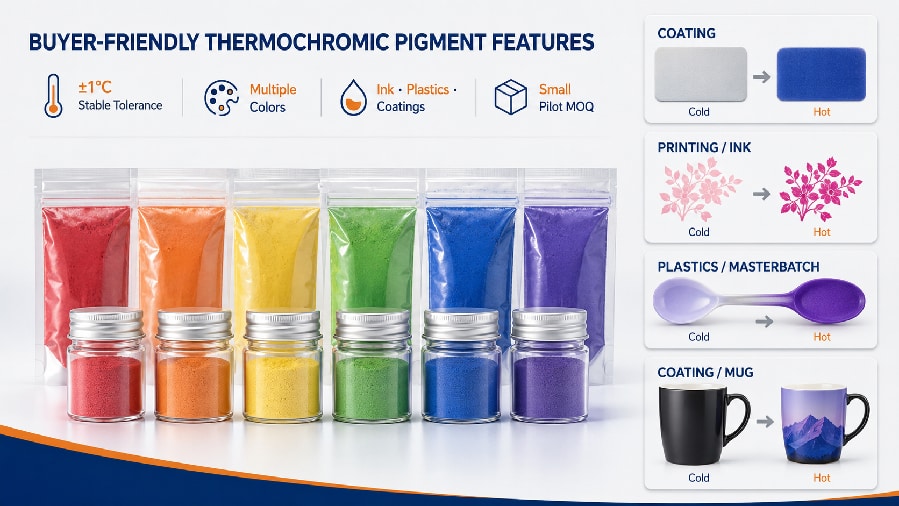
iSuoChem thermochromic pigment: buyer-friendly features

  • Wide range of activation temperatures with stable ±1 °C tolerance on standard grades.
  • Multiple base colors (black, red, blue, magenta, orange, green, and custom blends).
  • Grades tuned for water-based ink, solvent ink, UV ink, plastisol, plastic masterbatch, and PU or acrylic coating systems.
  • Same catalog covers mica powder, glitter powder, pearlescent pigment, and glow pigment for combined effects.
  • Small pilot MOQ for sampling, with documented particle size, heat resistance, and application notes on https://www.ispigment.com/.

Buyer's final sign-off checklist

Item Confirmed? Notes
Activation temperature and tolerance    
Base color and reveal color    
Particle size fit for process    
Heat resistance vs. real process    
Light-fastness for use environment    
Fatigue after 200–500 cycles    
Carrier compatibility test passed    
MOQ, lead time, and price agreed    
Documentation (COA, TDS, safety)    

FAQ

Q: How many samples should I order before mass production?
A: Two or three grades close to the target activation temperature and particle size, tested in the real ink or resin system. That is enough to lock down a spec.

Q: How long does a thermochromic printed product last?
A: Indoor use typically 1–3 years with a UV top layer. Outdoor use is shorter and depends on UV protection and cycle frequency.

Q: Can activation temperature be customized?
A: Yes, most suppliers can tune activation points within the practical range from about -15 °C to 65 °C, with longer lead time for custom grades.

Q: Which iSuoChem website should be linked?
A: Use https://www.ispigment.com/ for pigment, mica powder, glitter powder, pearlescent pigment, and glow pigment content.

For the full thermochromic pigment portfolio, activation charts, and application guides, visit https://www.ispigment.com/.

contact us now