web@ispigment.com
 +86 13965049124
 English
  français
 русский
 italiano
 español
 português
 العربية
 한국의
한국의 ไทย
ไทย Tiếng Việt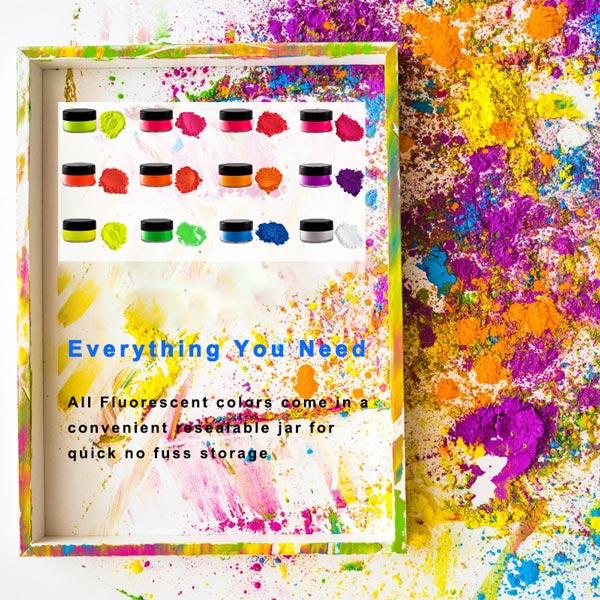
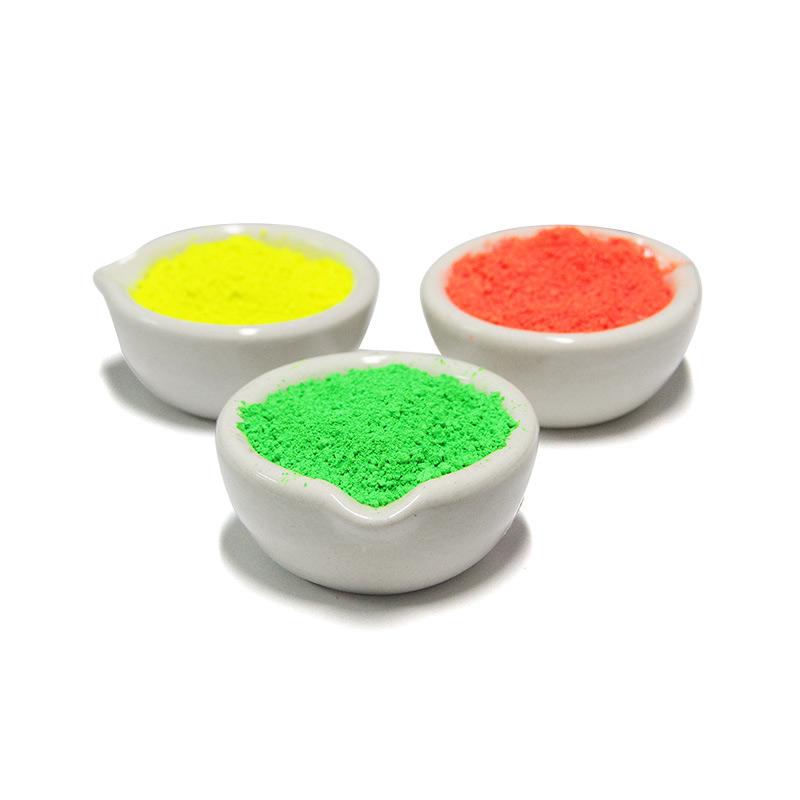
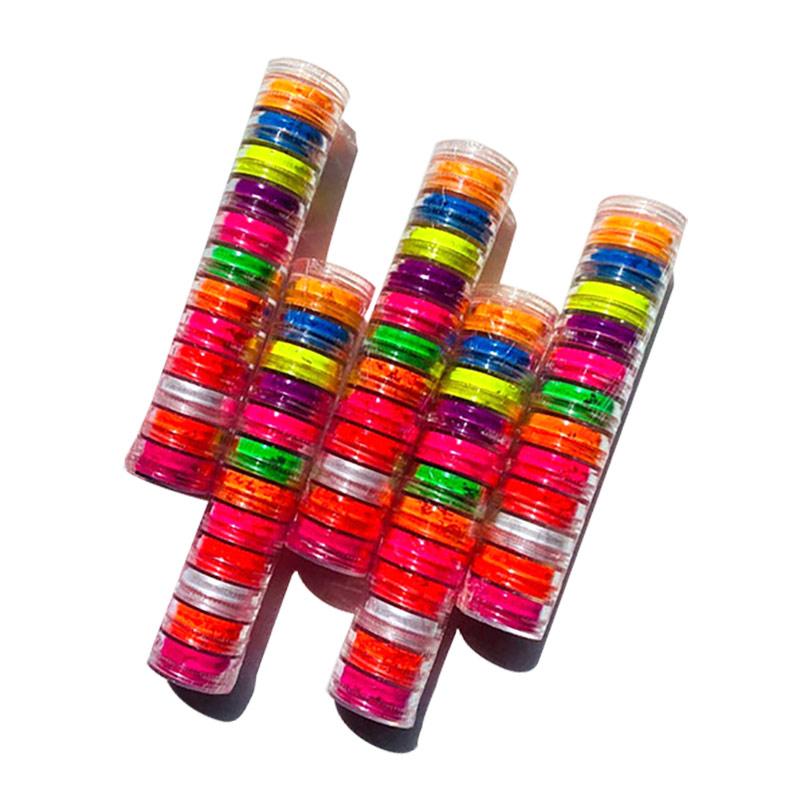
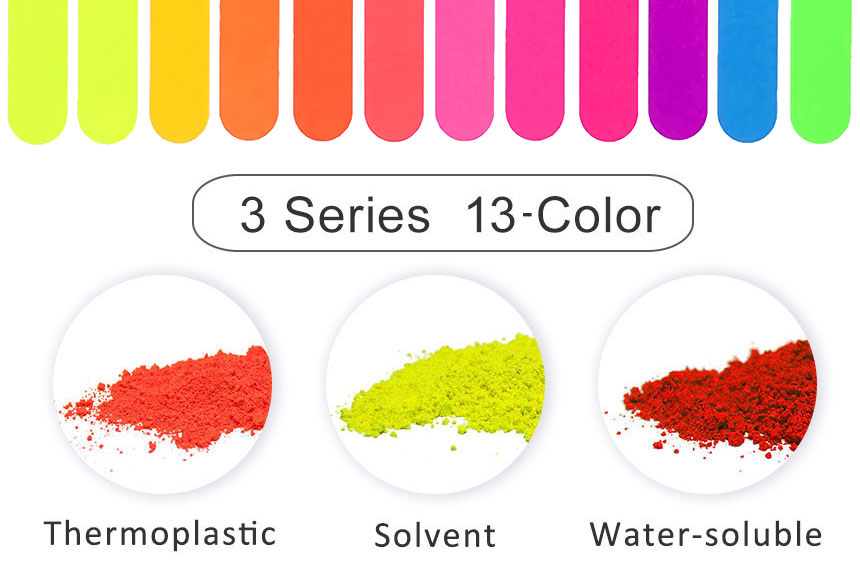
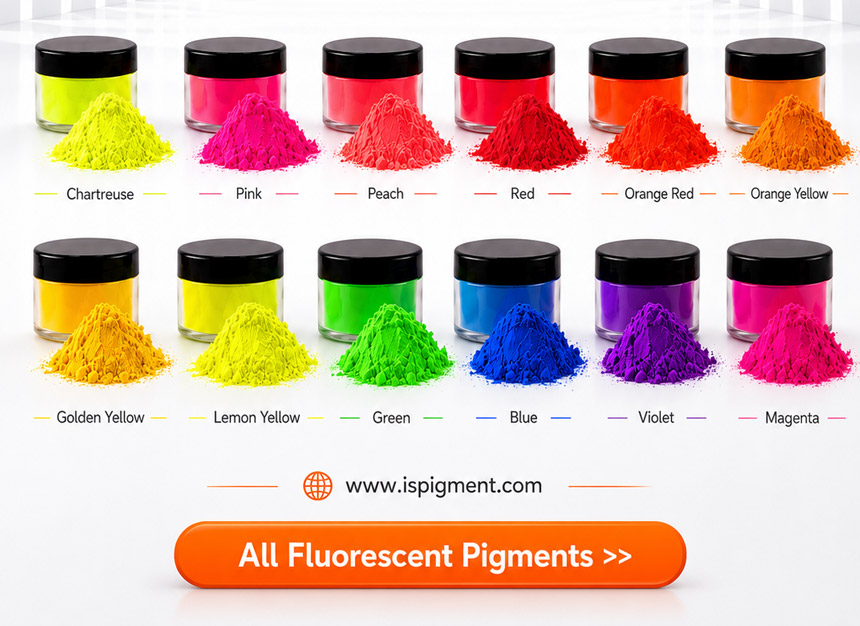
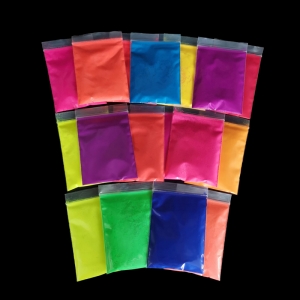
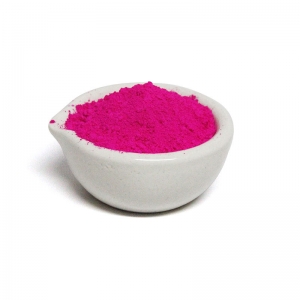
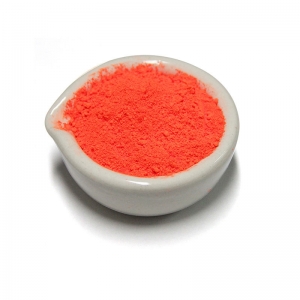
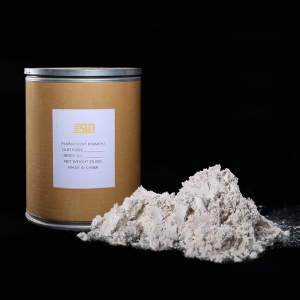
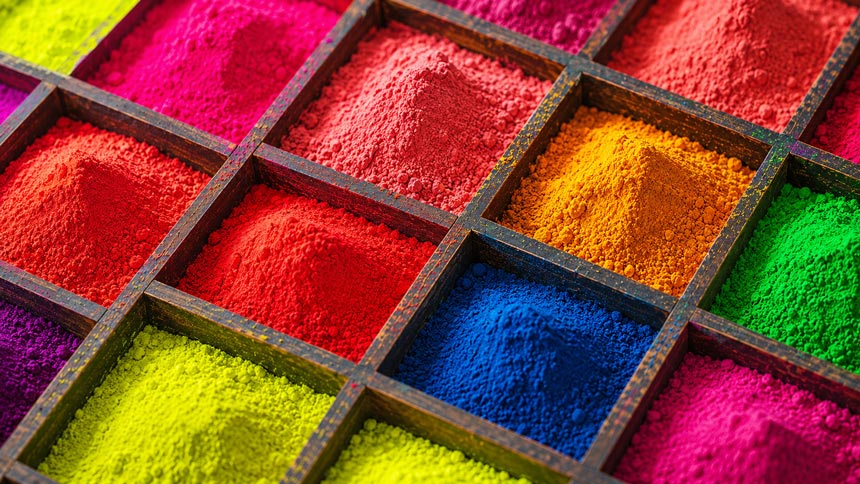
iSuoChem DX Series daylight fluorescent pigment powder delivers bright neon colors and strong color strength for PP, PE and PVC injection molding below 195°C. Available in 12 colors, this fine thermoplastic fluorescent color powder is suitable for plastics, clay coloring and selected water-based systems.
Specification
|
Softening Point |
≥110℃ |
|
Average Particle Size |
≤15µm |
|
Processing Temperature |
<200℃ |
|
Decomposition Temperature |
>200℃ |
|
Oil Absorption |
56g oil/100g pigments |
Available Colors
|
Model |
Color |
|
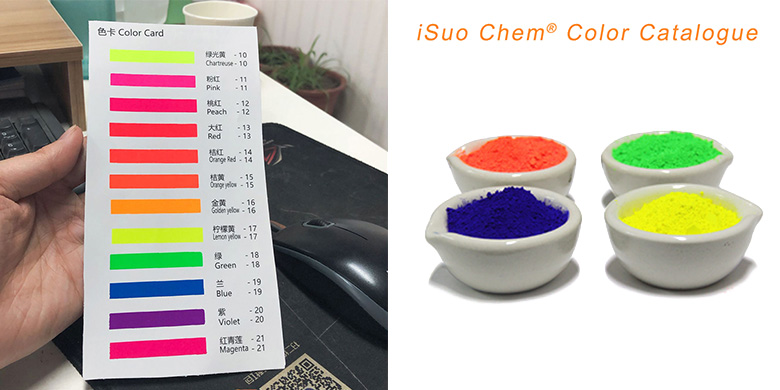
DX-10 |
Lemon yellow |
|
DX-11 |
Pink |
|
DX-12 |
Cerise |
|
DX-13 |
Red |
|
DX-14 |
Red orange |
|
DX-15 |
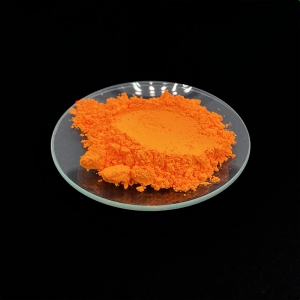
Orange |
|
DX-16 |
Orange yellow |
|
DX-17 |
Yellow |
|
DX-18 |
Green |
|
DX-19 |
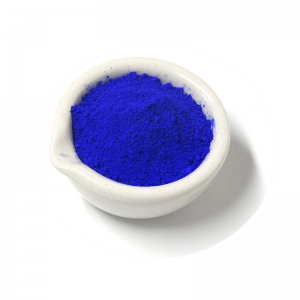
Blue |
|
DX-20 |
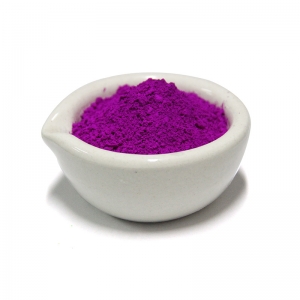
Violet |
|
DX-21 |
Magenta |
Color Card and Product Detail
Features
- General-purpose thermoplastic grades
- Heavy metal compliance (EN 71‑3)
- Indoor/indirect-light stability
- Direct sunlight fading
- Higher loading improves lightfastness
- UV protection options available
- Heat stability below 195°C
- Non-toxic
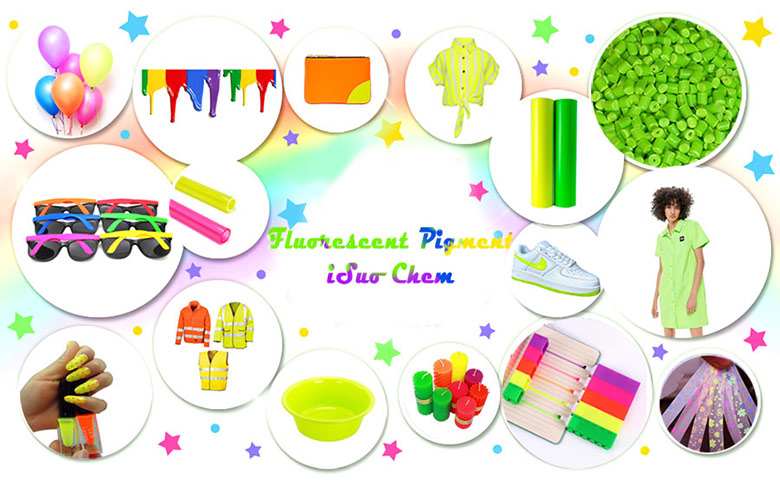
Application
- Injection molded plastics (PP/PE/PVC)below 195℃.
- Clay coloring.
Packing and Storage
It should be kept in cool place and away from heat. All opened bags should be carefully resealed immediately after use.
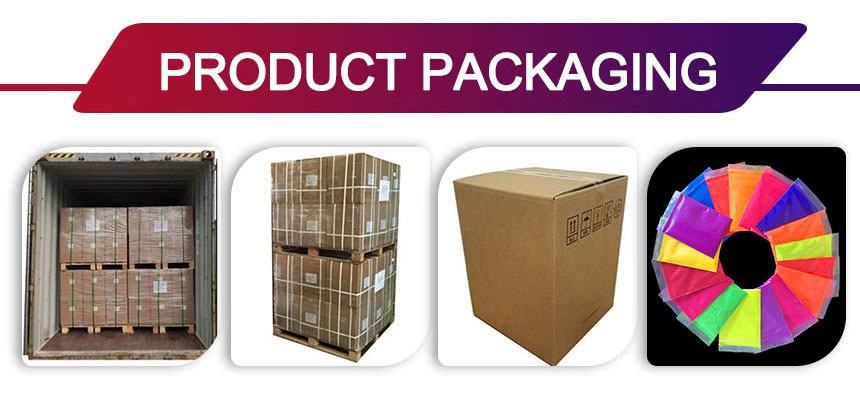
Standard package:
- 10kg / 15kg / 25kg per bag, composite paper bag with PE liner
- 20kg / 25kg per carton
- Pallet packing available for export orders
Why Solvent Resistance Matters in Fluorescent Pigments for Inks
In solvent-based ink formulation, a fluorescent pigment must do more than provide a bright color. It should also remain stable in the resin, additive and solvent package used in the ink system.
Many daylight fluorescent pigments are produced by embedding fluorescent colorants in a polymeric resin matrix. [1] When this resin-based particle structure remains insoluble and properly dispersed, the pigment can help the ink film deliver a cleaner, more vivid fluorescent effect. However, if the solvent system softens or attacks the resin matrix, the colorant may bleed into the ink vehicle, transfer to adjacent layers or substrates, and in some cases reduce the apparent fluorescent brightness.
For applications such as gravure inks, screen inks and paper printing inks, poor solvent resistance may lead to color bleeding, staining on adjacent layers or substrates, reduced print sharpness and less predictable color stability. [2] Because solvent-based inks may use alcohols, esters, ketones or mixed organic solvent packages, pigment compatibility should be evaluated carefully before production.
Because ink performance depends on the resin, solvent package, substrate and printing process, We recommend that you test the actual formulation before mass production.Contact iSuoChem to request a sample, color card or technical support for your ink formulation.
FAQ
1. Can I get free samples?
Yes, we usually supply 100 grams free samples, and the shipping cost will be collected by your side.
2. May I know the Minimum order quantity ?
It is depend on the products, some of type only need 1kg, some of need 25kgs.
3. What makes a fluorescent pigment suitable for solvent-based ink formulation?
Key factors include solvent resistance, particle size, dispersion performance, tinting strength, heat resistance and compatibility with the ink resin system. For solvent-based inks, resistance to ketones, esters and alcohols is especially important.
Related Reading
1. What Is Solvent Resistance in Pigments and Why Does It Matter?
A high-quality yellow fluorescent pigment should offer excellent solvent resistance, stable fluorescent yellow color, and reliable compatibility with solvent-based inks and ... Read More
Reference