web@ispigment.com
 +86 13965049124
 English
  français
 русский
 italiano
 español
 português
 العربية
 한국의
한국의 ไทย
ไทย Tiếng Việt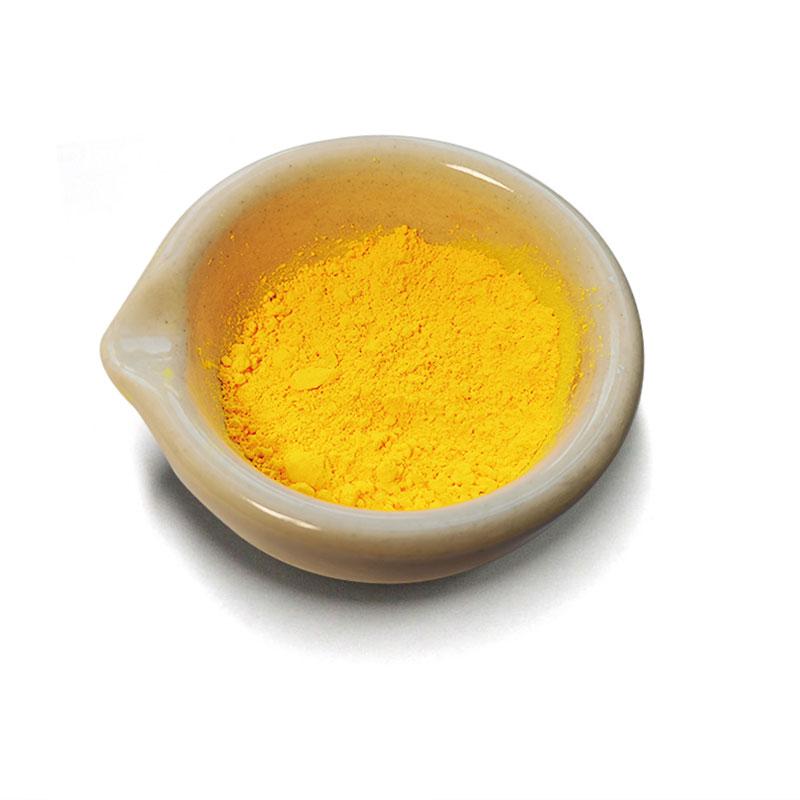
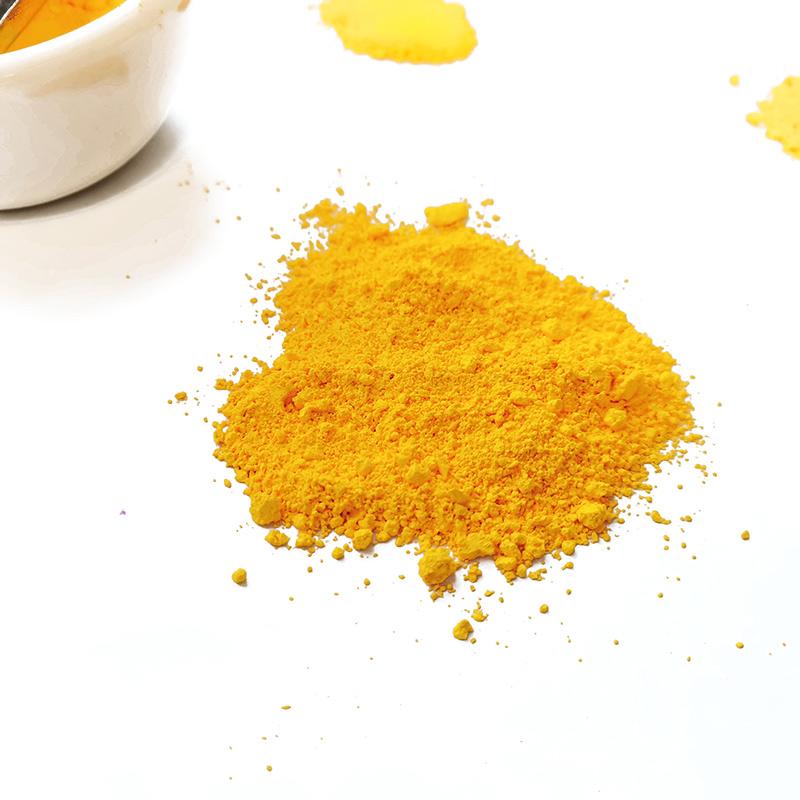
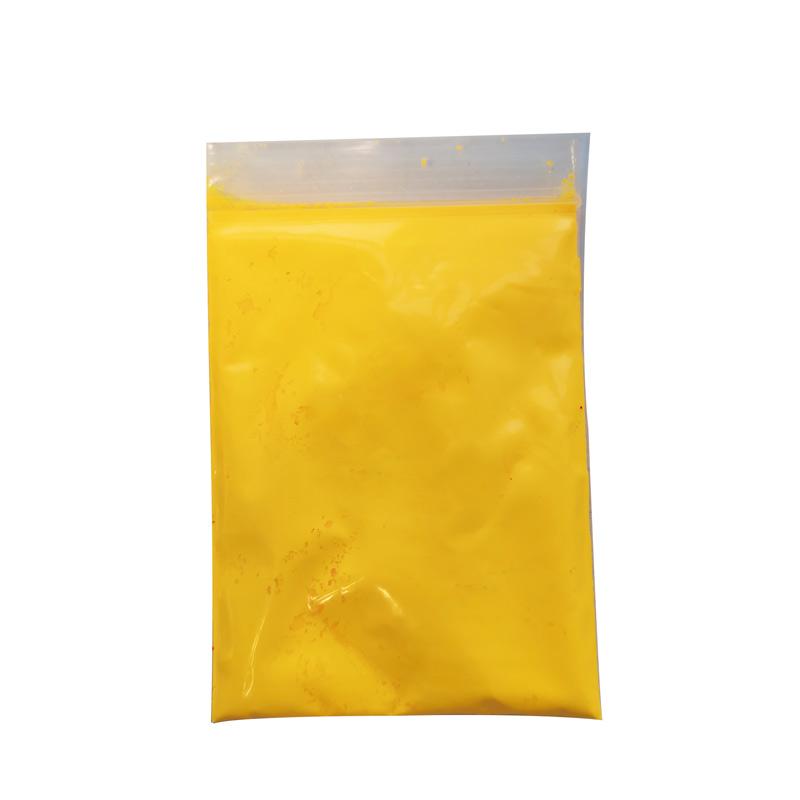
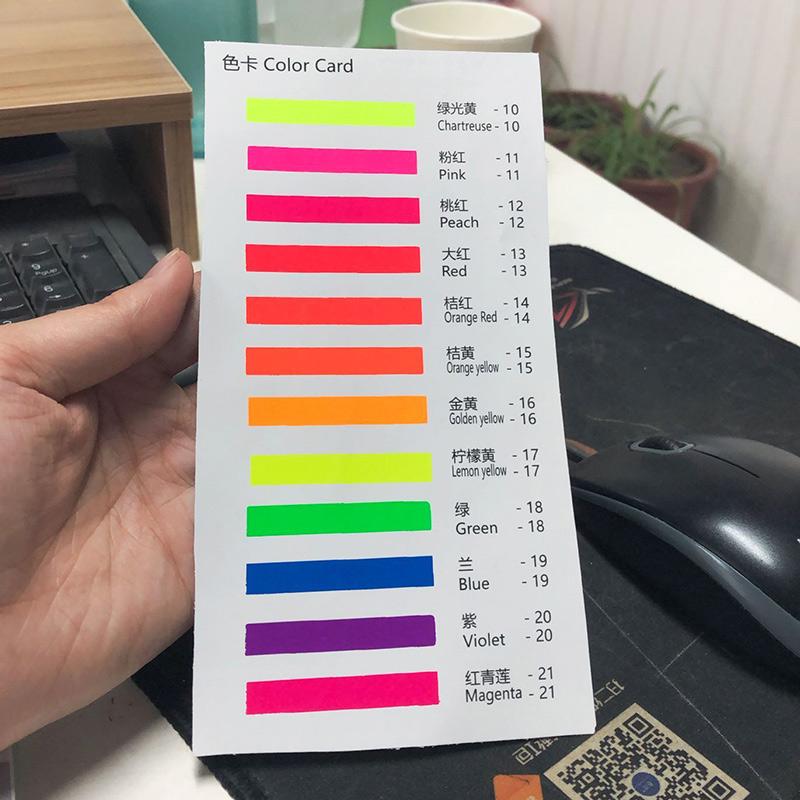
iSuoChem AT Fluorescent pigments have the incomparable vividness and brightness of ordinary pigments, which are three times higher than traditional pigments under ordinary light, and still have very good effects under low light conditions.
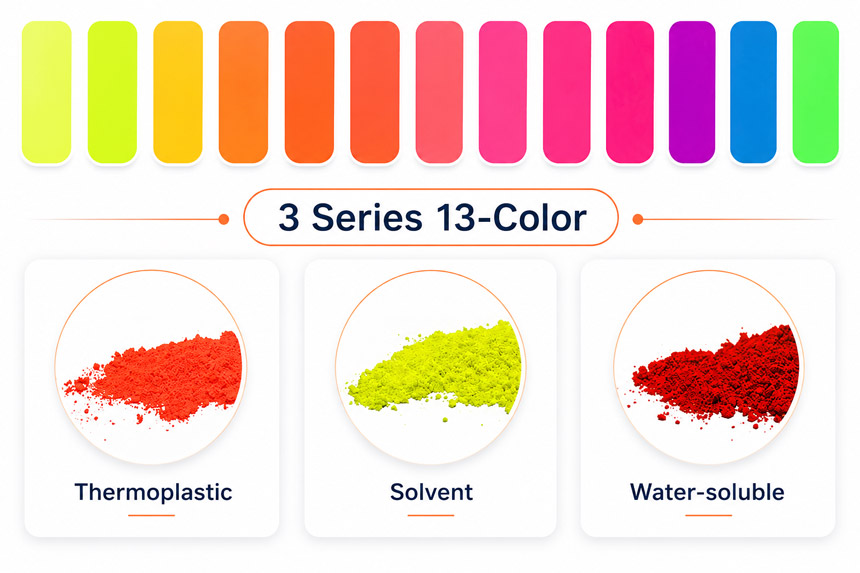
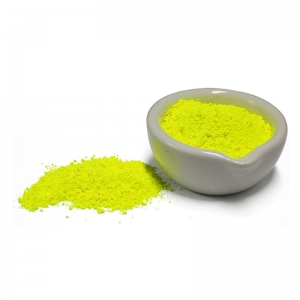
Key Benefits of AT-16 Golden Yellow Fluorescent Pigment
1. Bright golden yellow daylight fluorescence2. Excellent solvent resistance in ketones, esters and alcohol systems
3. Suitable for solvent-based gravure inks, screen inks and paper printing inks
4. High tinting strength: 100 ± 3%
5. Fine particle size: ≤5μm for good dispersion
6. Heat resistance: 150℃
Technical Specifications
|
Item |
AT-16 Golden Yellow Fluorescent Pigment |
|
Brand |
iSuoChem |
|
Product Type |
Thermosetting resin based fluorescent pigment |
|
Color |
Golden Yellow |
|
Appearance |
Powder |
|
Average Particle Size |
≤5μm |
|
Tinting Strength |
100 ± 3% |
|
Bulk Density |
0.6g/cm³ |
|
Heat Resistance |
150℃ |
|
Decomposition Point |
>250℃ |
|
Main Feature |
Excellent solvent resistance |
|
Recommended System |
Solvent-based inks, gravure inks, screen inks, coatings |
Why Solvent Resistance Matters in Fluorescent Pigments for Inks
In solvent-based ink formulation, a fluorescent pigment must do more than provide a bright color. [1] It should also remain stable in the resin, additive and solvent package used in the ink system. [1]
Many daylight fluorescent pigments are produced by embedding fluorescent colorants in a polymeric resin matrix. [2] When this resin-based particle structure remains insoluble and properly dispersed, the pigment can help the ink film deliver a cleaner, more vivid fluorescent effect. However, if the solvent system softens or attacks the resin matrix, the colorant may bleed into the ink vehicle, transfer to adjacent layers or substrates, and in some cases reduce the apparent fluorescent brightness. [2][3]
For applications such as gravure inks, screen inks and paper printing inks, poor solvent resistance may lead to color bleeding, staining on adjacent layers or substrates, reduced print sharpness and less predictable color stability. [3] Because solvent-based inks may use alcohols, esters, ketones or mixed organic solvent packages, pigment compatibility should be evaluated carefully before production. [1]
AT-16 golden yellow fluorescent pigment is designed for solvent-based applications that require bright fluorescence, fine particle size, good dispersion and resistance to common ketone, ester and alcohol solvent systems. It can be evaluated for solvent-based inks and coatings where a clean golden yellow fluorescent shade is required.
Because ink performance depends on the resin, solvent package, substrate and printing process, we recommend testing AT-16 in your actual formulation before mass production. [1][3] Contact iSuoChem to request a sample, color card or technical support for your ink formulation.
Recommended Applications
|
Application |
Recommended Use |
|
Solvent-based gravure inks |
Packaging, paper, decorative printing |
|
Screen inks |
High-visibility graphics and specialty printing |
|
Paper printing inks |
Fluorescent yellow visual effects |
|
Solvent-based coatings |
Decorative and industrial color effects |
|
Aerosol paints |
powder paints Bright daylight fluorescent color |
|
Waxes and candles |
Decorative fluorescent coloring |
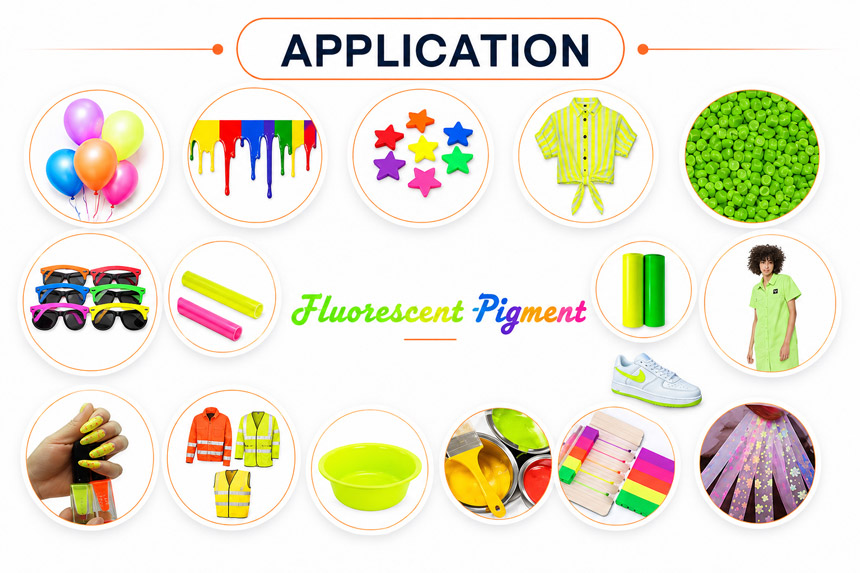
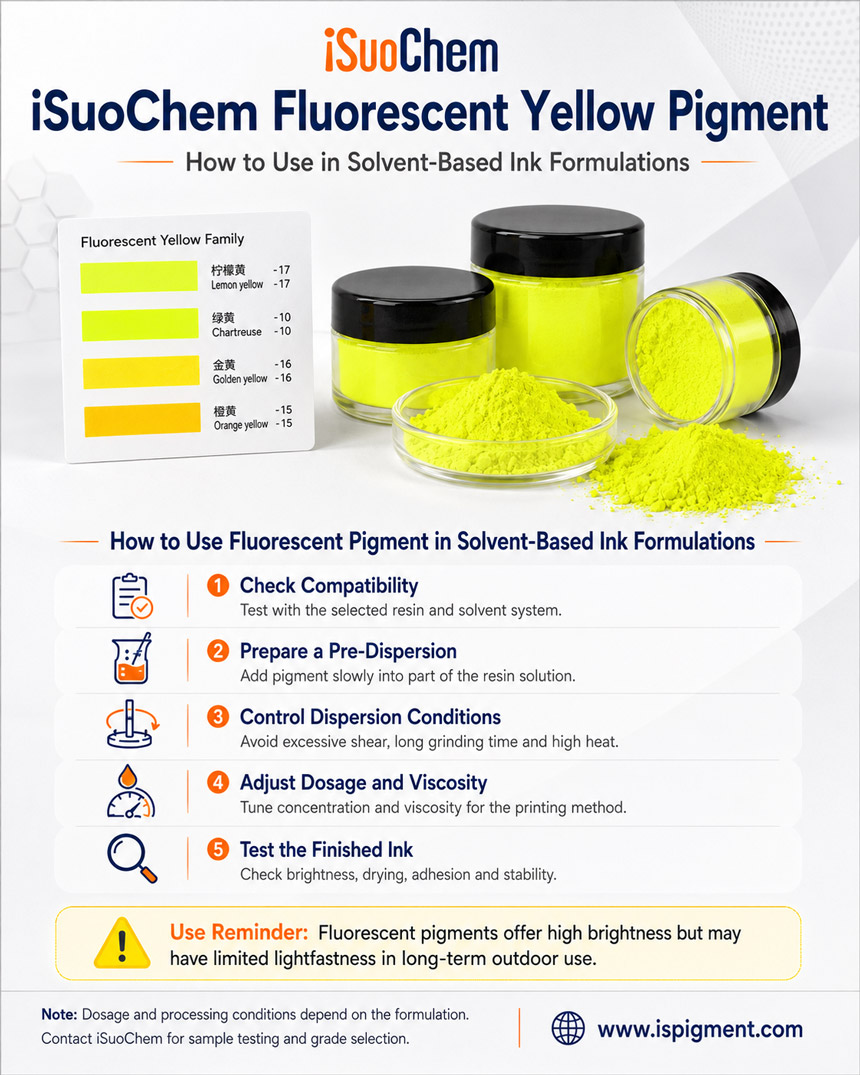
How to Use Fluorescent Pigment in Solvent-Based Ink Formulation
1. Check Compatibility
Test the fluorescent pigment with the selected resin and solvent system. Confirm that there is no obvious color change, swelling, settling or viscosity instability.2. Prepare a Pre-Dispersion
Slowly add the pigment to part of the resin solution under moderate stirring. Make sure the powder is fully wetted before adding the remaining ingredients.3. Control Dispersion Conditions
Use suitable mixing or milling equipment, but avoid excessive shear, long grinding times and high temperatures, as these may reduce fluorescent brightness.4. Adjust Dosage and Viscosity
Adjust the pigment concentration, solvent ratio and ink viscosity according to the printing method, substrate and required color strength.5. Test the Finished Ink
Check fluorescence, dispersion stability, drying speed, adhesion and printing performance. A small laboratory trial is recommended before mass production.Use Reminder
Fluorescent pigments provide high brightness but may have limited lightfastness in long-term outdoor use. Test the final formulation under actual application conditions.Note: The recommended dosage depends on resin system, solvent package, printing method and target color strength. Please contact iSuoChem for sample testing and formulation guidance.
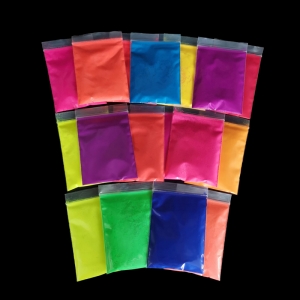
AT Series Color Options
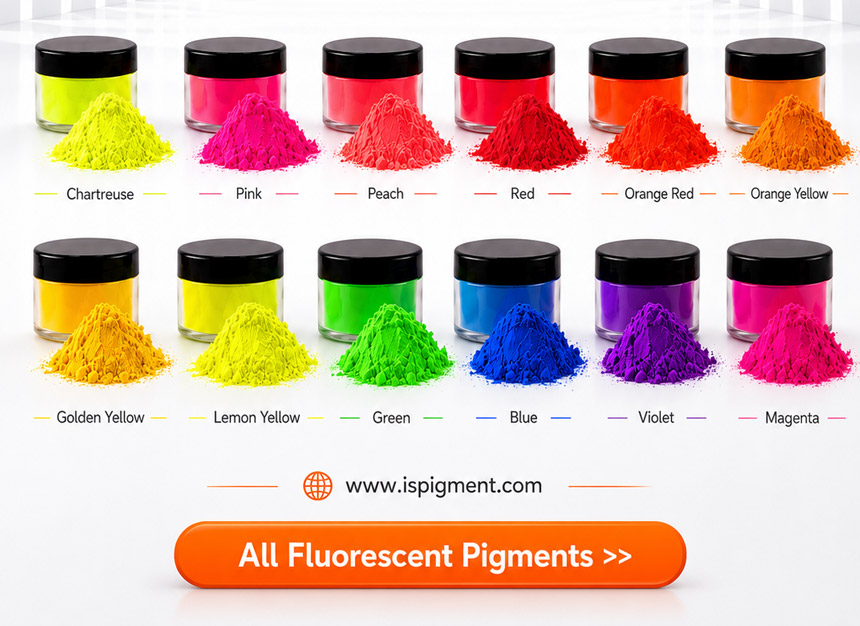
AT Series Fluorescent Pigment Color Range
|
Colors |
Code |
|
Pink |
AT-11 |
|
Peach |
AT-12 |
|
Red |
AT-13 |
|
Chinese Red |
AT-33 |
|
Orange Red |
AT-14 |
|
Orange Yellow |
AT-15 |
|
Golden Yellow |
AT-16 |
|
Lemon Yellow |
AT-17 |
|
Green |
AT-18 |
|
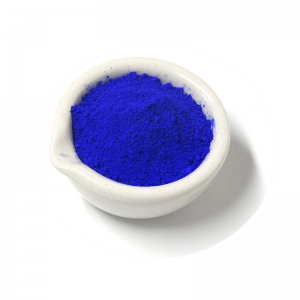
Blue |
AT-19 |
|
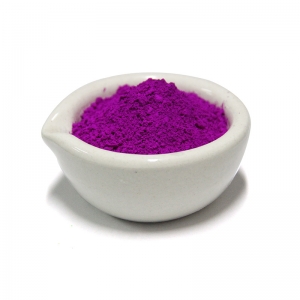
Violet |
AT-20 |
|
Magenta |
AT-21 |
Please note that: The color chart is for reference only. Please contact us to request the physical color card or test samples.
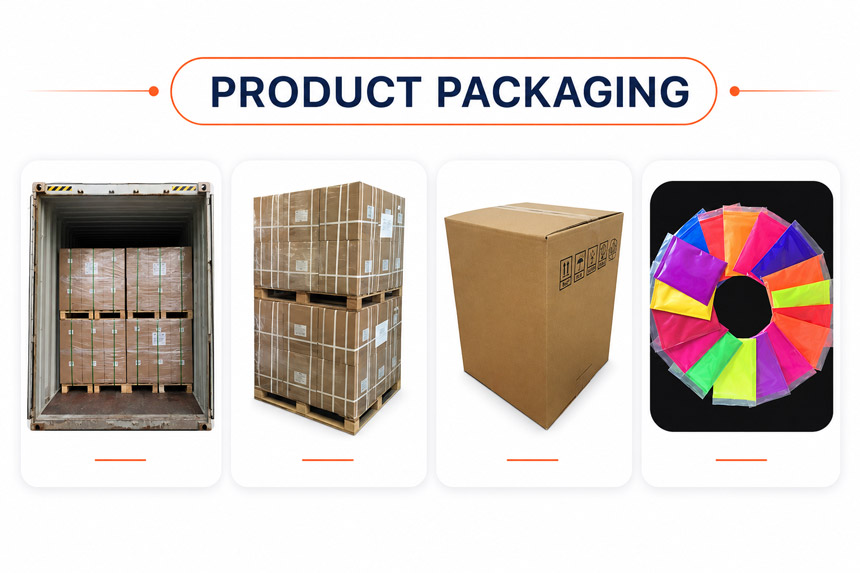
Packaging and Sample Request
Standard package:
- 10kg / 15kg / 25kg per bag, composite paper bag with PE liner
- 20kg / 25kg per carton
- Pallet packing available for export orders
FAQ About Golden Yellow Fluorescent Pigments
Q1: Are AT-16 fluorescent pigments compatible with solvent-based inks?
A: Yes. AT-16 golden yellow fluorescent pigment is designed for solvent-based systems and shows good resistance to common ketone, ester and alcohol solvents. It is recommended for solvent-based gravure inks, screen inks and paper printing inks. Compatibility testing is still recommended for each resin and solvent system.Q2: What makes a fluorescent pigment suitable for solvent-based ink formulation?
A: Key factors include solvent resistance, particle size, dispersion performance, tinting strength, heat resistance and compatibility with the ink resin system. For solvent-based inks, resistance to ketones, esters and alcohols is especially important.Q3: What is the particle size of AT-16 golden yellow fluorescent pigment?
A: The average particle size of AT-16 is ≤5μm, which helps improve dispersion in ink and coating systems.Q4: Can AT-16 be used in water-based systems?
A: AT-16 is mainly recommended for solvent-based systems. For water-based inks or coatings, please contact iSuoChem to select a more suitable fluorescent pigment grade and test compatibility.Q5: What applications are recommended for golden yellow fluorescent pigment?
A: AT-16 can be used in solvent-based paints, powder paints, aerosol paints, screen inks, solvent-based gravure inks, paper printing inks, paper coatings, waxes and candles.Related Reading for Fluorescent Pigment Selection
1. What Is Solvent Resistance in Pigments and Why Does It Matter?
A high-quality yellow fluorescent pigment should offer excellent solvent resistance, stable fluorescent yellow color, and reliable compatibility with solvent-based inks and ... Read More
References
[1] Guo, J., Luo, C., Wittkowski, C., Fehr, I., Chong, Z., Kitzberger, M., Alassali, A., Zhao, X., Leineweber, R., & Kuchta, K. Screening the Impact of Surfactants and Reaction Conditions on the De-Inkability of Different Printing Ink Systems for Plastic Packaging. Polymers, 15(9), 2220, 2023.
Supporting evidence: Typical plastic printing inks are composed of solvents, binders, pigments and additives. Solvent-based inks can use organic solvents, such as alcohols, esters and ketones, and the proportion of solvents in typical formulations can be as high as 50-70 wt.% .
[2] Reiß, L., Machill, S., Lübken, T., et al. HPLC–HR-ESI–MS/MS identification of fluorescent dyes and optical brighteners and their degradation products in daylight fluorescent paints. Heritage Science, 11, Article 146, 2023.
Supporting evidence: Daylight fluorescent pigments are made up of synthetic resins, fluorescent dyes and optical brighteners. The pigments can degrade and degradation affects the fluorescence colour and performance.
[3] Jamnicki Hanzer, S., Kulčar, R., Vukoje, M., & Marošević Dolovski, A. Assessment of Thermochromic Packaging Prints' Resistance to UV Radiation and Various Chemical Agents. Polymers, 15(5), 1208, 2023.
Supporting evidence: Printed materials can be affected by colour difference, bleeding, staining and migration in contact with chemical media. This paper assesses the resistance of printed materials to liquids, solvents, acids and other media in accordance with ISO 2836:2021. Please note that this paper is related to the thermochromic inks and not fluorescent pigments, so the use of this paper to support “chemical resistance risk of functional printing pigments” is indirect evidence.