web@ispigment.com
 +86 13965049124
 English
  français
 русский
 italiano
 español
 português
 العربية
 한국의
한국의 ไทย
ไทย Tiếng Việt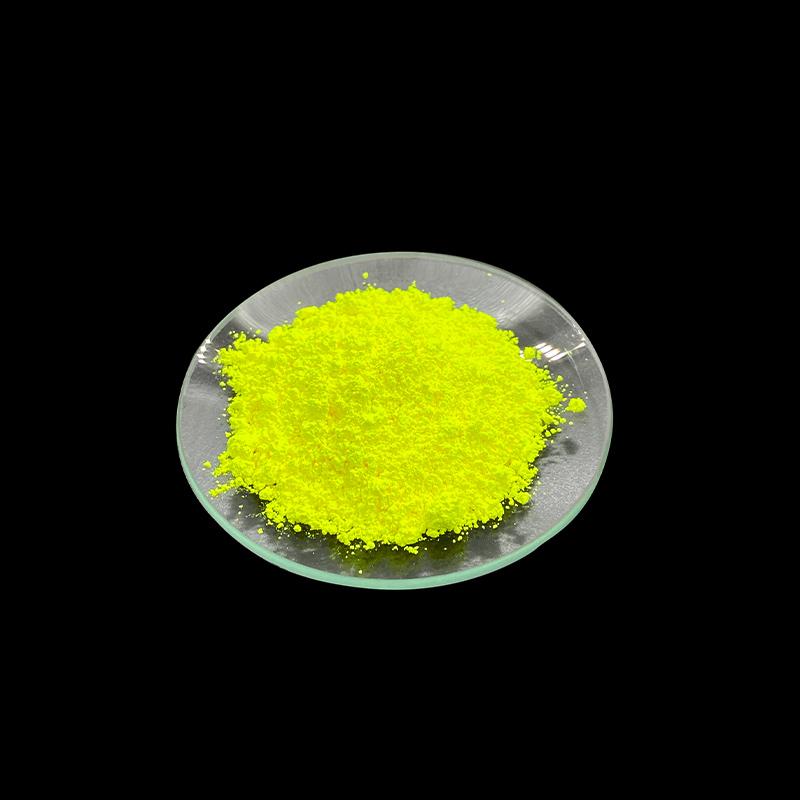
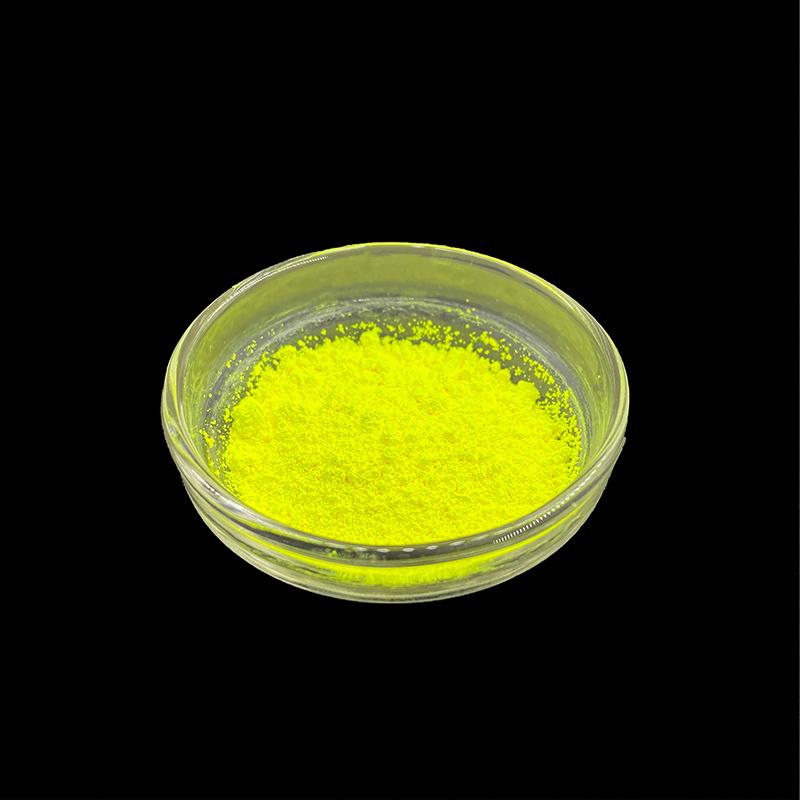
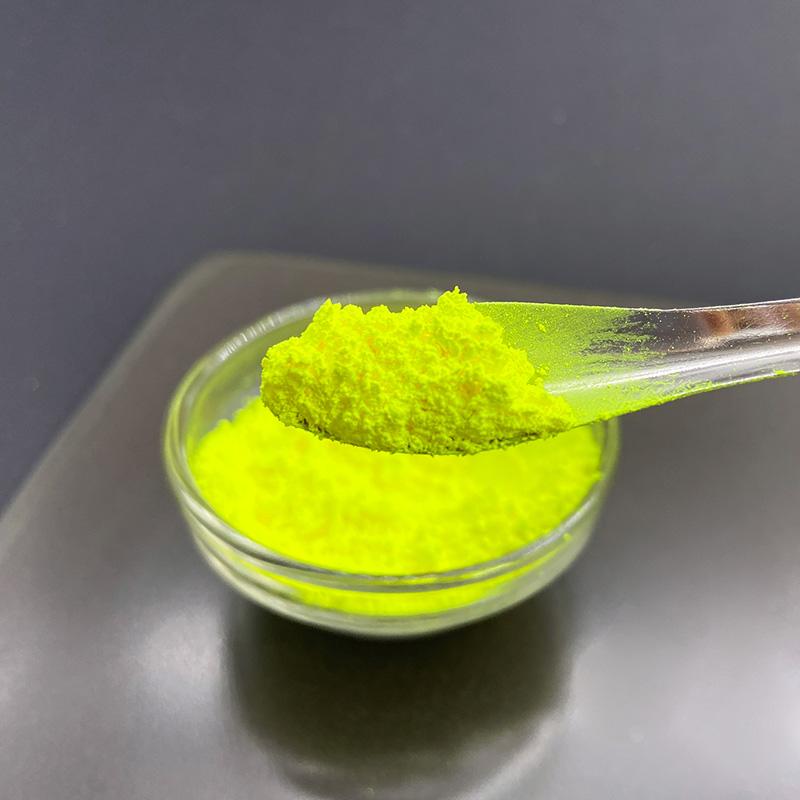
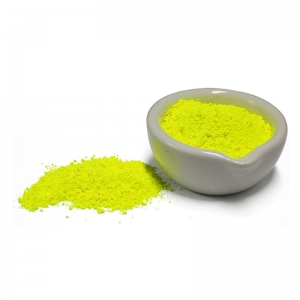
iSuoChem® green yellow fluorescent pigment is a resin-based colorant designed for low-temperature plastics and fluorescent masterbatch coloring. This bright yellow green fluorescent pigment offers good dispersion and stable color performance for PP, PE and PVC, and is suitable for extrusion, injection molding, blow molding and film blowing applications.
Product Information – AL-10 Thermoplastic Fluorescent Pigment
Product Series: AL Series
Product Grade: AL-10
Color: Lemon Yellow
Product Type: General-Purpose Thermoplastic Fluorescent Pigment
Recommended Applications: Injection molded PP, PE and PVC plastics; clay coloring
Application Condition: Suitable for injection molded plastics processed below 195°C
Package: 25 kg/carton with PE lining, 450 kg/pallet
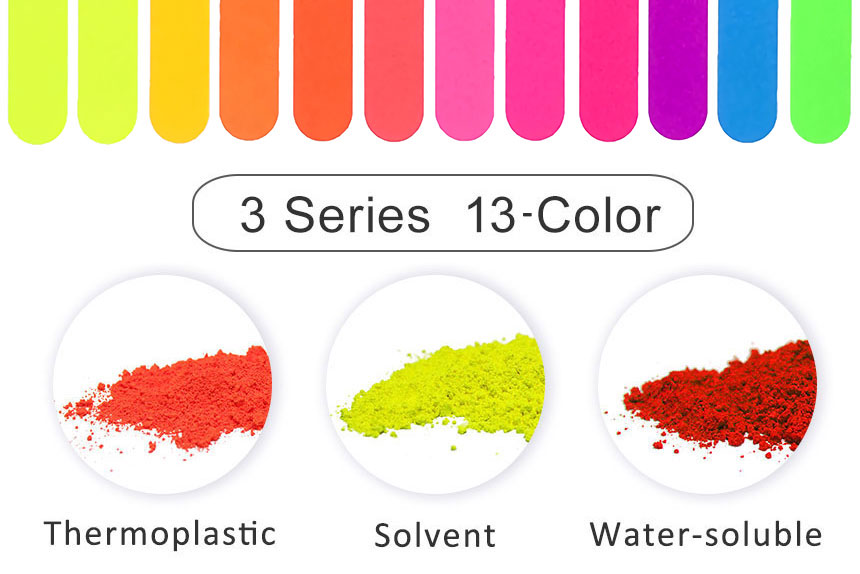
Specification & Color card
|
Average Particle Size |
Tinting strength |
Softening point |
Bulk density |
|
≤10um |
100+/- 5% |
110 ~ 125℃ |
0.6g/cm3 |
|
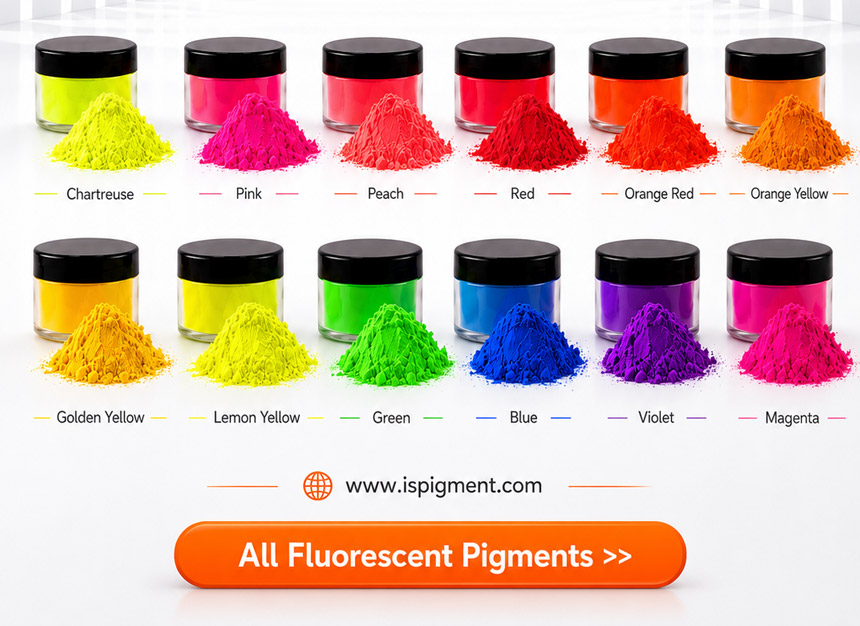
Green yellow |
Lemon yellow |
Lemon yellow (H) |
Orange yellow |
|
AL-10 |
AL-17 |
AL-17 (H) |
AL-15 |
|
Red |
Orange red |
Peach |
Pink |
|
AL-13 |
AL-14 |
AL-12 |
AL-11 |
|
Golden yellow |
Golden yellow (H) |
Green |
Blue |
|
AL-16 |
AL-16-H |
AL-18 |
AL-19 |
|
Magenta |
Magenta (H) |
Purplish red |
Violet |
|
AL-21 |
AL-21-H |
AL-6 |
AL-20 |
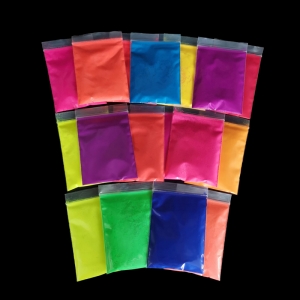
Pleat note that: The color bar above, from AL-6 to AL-21 H is just to give you an easy reference. Please consult us to obtain the actual color card catalogue.
Chemical Composition – AL Series Fluorescent Pigment
|
Component |
CAS Number |
Concentration |
|
Tolunesulfonamide-Melamine-Formaldehyde Resin |
39277-28-6 |
>95% |
|
Dyestuffs |
Trade Secret |
<5% |
Physical and Chemical Properties – AL Series Fluorescent Pigment
|
Property |
Specification |
|
Appearance |
Fine powder |
|
Average Particle Size |
≤15 µm |
|
Softening Point |
≥110°C |
|
Processing Temperature |
<200°C |
|
Decomposition Temperature |
>200°C |
|
Oil Absorption |
56 g oil/100 g pigments |
|
Specific Gravity |
1.36 g/ml |
|
pH Value |
Not applicable |
|
Odor |
Slight aldehyde odor |
|
Water Solubility |
Not soluble |
|
VOC Content |
None |
|
Lightfastness |
Stable under indoor light or outdoor non-direct sunlight |
|
Heat Stability |
Stable below 195°C for plastic injection moulding |
Fluorescent Pigment Recommend Application
|
Plastics & Masterbatch |
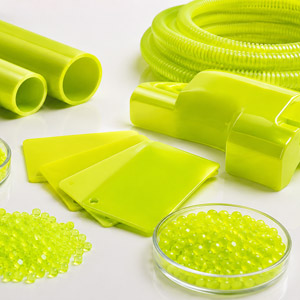
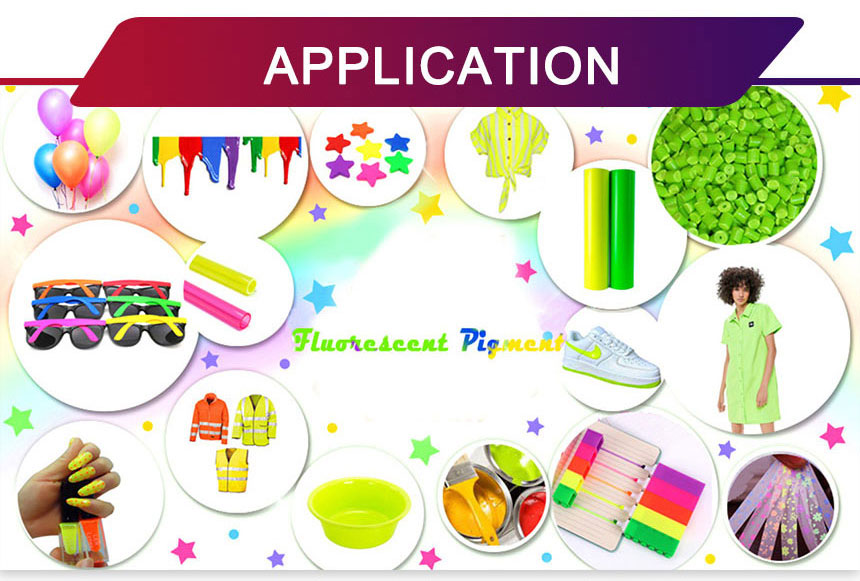
Suitable for coloringPP, PE, PVC and other low-temperature plastics, as well as plastic masterbatches. Good dispersion and strong color strength help produce bright and uniform fluorescent coloration in compatible polymer systems. |
 |
|
Plastic Processing |
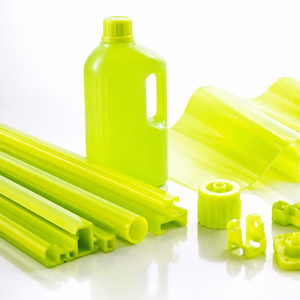
Suitable forextrusion, injection molding, blow molding and film blowing. For injection molded plastics, recommended processing temperatures are below195°C. |
 |
|
Coatings & Printing |
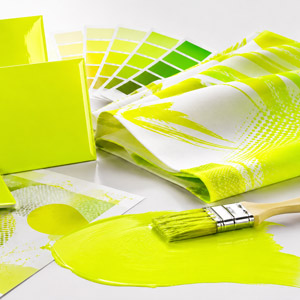
Can be used inwater-based coatings, water-based paints, textile printing color paste, paper coatings and nonpolar solvent-based paints, providing bright fluorescent color effects in compatible systems. |
 |
|
Clay Coloring |
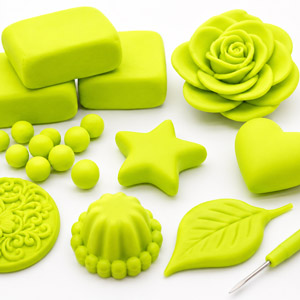
Suitable forclay coloring, offering excellent brightness and strong color strength for decorative coloration. |
 |
Packaging
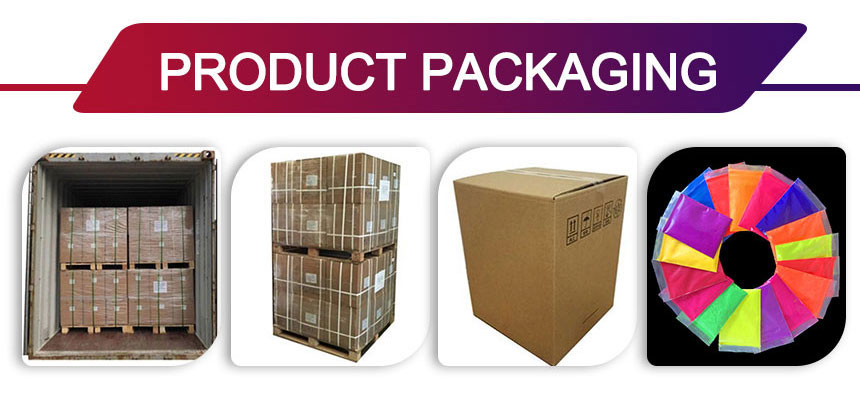
Package of AL series Fluorescent Pigments:
1. 10kg/bag or 15kg/bag or 25kg/bag (Composite paper bag lined with PE flim), 50 bags/wooden pallet.
2. 20kg/carton or 25kg/carton
Why Can Fluorescent Pigment Build Up on the Screw During Injection Molding?
Screw build-up during fluorescent plastic coloring is mainly related to the resin-based pigment structure, relatively high dosage and differences in melting behavior.
Many daylight fluorescent pigments contain colorants incorporated into a polymeric resin matrix. During injection molding, this resin phase softens and can contact steel surfaces inside the screw and barrel. Polymer-processing studies confirm that deposits can form at polymer-melt/steel interfaces and may later detach as localized spots in molded parts.[1]
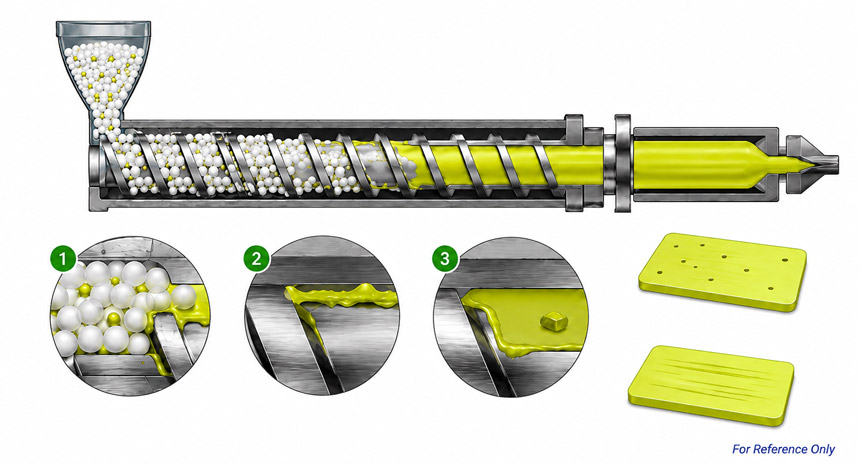
Fluorescent pigments are also commonly used at higher levels than many conventional pigments. Based on long-term production experience, typical dosage is around 1–2%, compared with approximately 0.02–0.1% for some conventional pigments. This increases the amount of resin-based colorant passing through the screw and the possibility of local accumulation.
In practical processing, resin-based fluorescent pigments generally enter a molten or strongly softened state at approximately 140–170°C. If this occurs before the surrounding plastic is fully molten, the softened pigment resin may contact and adhere to the screw surface before a homogeneous melt is formed.
Color streaks are not always caused by deposits alone. Masterbatch formulation, screw geometry and processing conditions can also affect pigment dispersion and color homogeneity.[2]
For yellow green fluorescent pigment used in fluorescent masterbatch and injection-molded plastics, controlling dosage, resin compatibility and processing conditions helps reduce screw build-up, spots and uneven coloration.
FAQ
1. Q: How many Colors do you have?
A: Around 10-12 color each series
2. Q: Can I get free samples?
A: Yes, we usually supply 100 grams free samples, and the shipping cost will be collected by your side.
3. Q: May I know the Minimum order quantity ?
A: It is depend on the products, some of type only need 1kg, some of need 25kgs.
4. Q:How do you test goods before delivery?
A: After production, test the first time, before delivery, lab will be test second for all date.